

Debunking popular gambling myths What you need to know
Understanding Randomness in Gambling
One of the most prevalent myths in gambling is the belief that certain outcomes can be predicted due to past results. Many players think they can determine the likelihood of winning based on previous games. However, games like slots and roulette are based on random number generators (RNGs), which ensure that each spin or deal is independent. This means that previous outcomes do not influence future ones, making it impossible to predict results based on past performances. Players can explore various platforms, such as australian neosurf casino, that provide insights on safe betting practices.
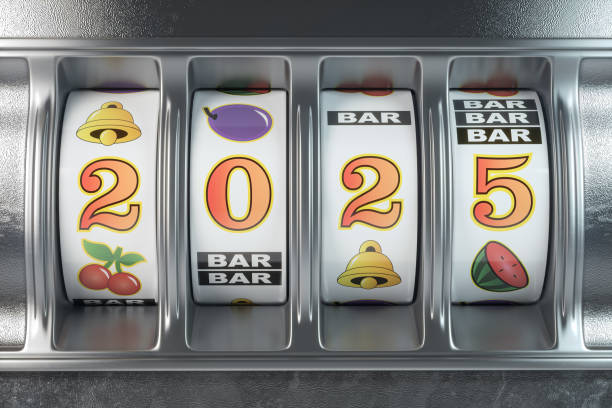
Moreover, players often fall into the “hot and cold streak” fallacy. They may assume that a slot machine is due for a win after a series of losses. In reality, every spin has the same probability of winning or losing, regardless of past outcomes. Understanding this concept is crucial for responsible gambling, as it helps players avoid emotional decision-making based on misconceptions of game patterns.
Recognizing the nature of randomness also encourages players to focus on the enjoyment of the game rather than the elusive expectation of winning. Emphasizing fun over financial success can lead to a more satisfying gambling experience, allowing players to engage responsibly while understanding that luck plays a significant role.
Luck vs. Skill in Gambling
Another widespread myth is that gambling success is entirely about luck or, conversely, that it relies solely on skill. While skill can enhance performance in games like poker or blackjack, where strategy plays a role, luck remains a critical component across the board. Even the most skilled players can have losing streaks, while less experienced players might have unexpected wins. This blend of luck and skill creates an unpredictable gaming environment that keeps players engaged.
In games like slot machines and bingo, luck is the predominant factor. Players have no control over the outcome, making it purely a game of chance. Understanding the distinction between skill-based games and luck-based games is essential for setting realistic expectations. Gamblers should know which games favor skill and which rely on luck, ensuring they choose games that align with their abilities.
Ultimately, acknowledging the balance of skill and luck can help players strategize more effectively. Those who play skill-based games should focus on honing their abilities, while others should play for enjoyment and be prepared for the unpredictable nature of chance-based games.
The Myth of the “Gambler’s Fallacy”
The “gambler’s fallacy” refers to the erroneous belief that past random events can influence future ones. For instance, a player might think that after a series of losses, they are “due” for a win. This misconception can lead to chasing losses and escalating bets, often resulting in greater financial loss. The reality is that each gaming session operates under its own set of probabilities, unaffected by previous results.
This myth can be particularly dangerous for new gamblers, who might not yet understand the fundamental mechanics of gambling games. Educating oneself about probabilities and odds can help combat this fallacy. For example, understanding that the odds of rolling a six on a die remain constant regardless of past rolls can prevent flawed thinking and misguided strategies.
By debunking the gambler’s fallacy, players can approach gambling with a clearer mindset. They can focus on making informed decisions rather than falling prey to irrational beliefs, ultimately enhancing their gaming experience and promoting more responsible gambling habits.
The Illusion of “Near Misses”
Many gamblers experience excitement over “near misses,” where they come close to winning but do not. This phenomenon is often exploited in slot machines, which can display near-miss scenarios to create an illusion of increased likelihood for a win. However, understanding that these near-misses are designed to keep players engaged rather than signify increased chances of winning is vital.
These experiences can mislead players into believing that they are on the verge of winning, pushing them to continue playing. This psychological manipulation can lead to prolonged play sessions and increased financial expenditure, which can be detrimental. It’s important for players to recognize that near misses do not change the odds of winning; they are merely a part of the game’s design.
Awareness of how near misses affect player perception can empower gamblers to make more rational choices. Knowing that each result is random helps players avoid getting caught up in the thrill of near victories, allowing them to maintain control over their gambling activities and minimize potential losses.

Exploring the Role of Online Gambling Platforms
Online gambling platforms, like Neosurf Casino Australia, play a vital role in creating an accessible environment for players. These platforms often provide various games, instant deposit options, and promotions that enhance the gaming experience. However, it’s essential for players to understand that the myths surrounding gambling are still prevalent in the online realm, just as they are in brick-and-mortar casinos.
Choosing reputable online casinos can protect players from misinformation and provide a safer gambling experience. For instance, platforms that prioritize user privacy and security allow players to focus on gaming without worrying about sensitive information exposure. Additionally, these platforms often offer resources for responsible gambling, helping players stay informed and make better choices.
Online casinos also provide the opportunity to explore various games, allowing players to find those that suit their skill levels and preferences. With a focus on both fun and security, sites like Neosurf Casino Australia ensure that players can enjoy a comprehensive gambling experience while being educated about the realities of gambling myths.
